

Sinterflex facade systems are modern facade cladding solutions created with ultra-thin, large-format, and flexible porcelain slabs, standing out for their lightweight structure and high durability. Thanks to their aesthetic appearance, high performance, and sustainability advantages, they are frequently preferred in contemporary building projects.
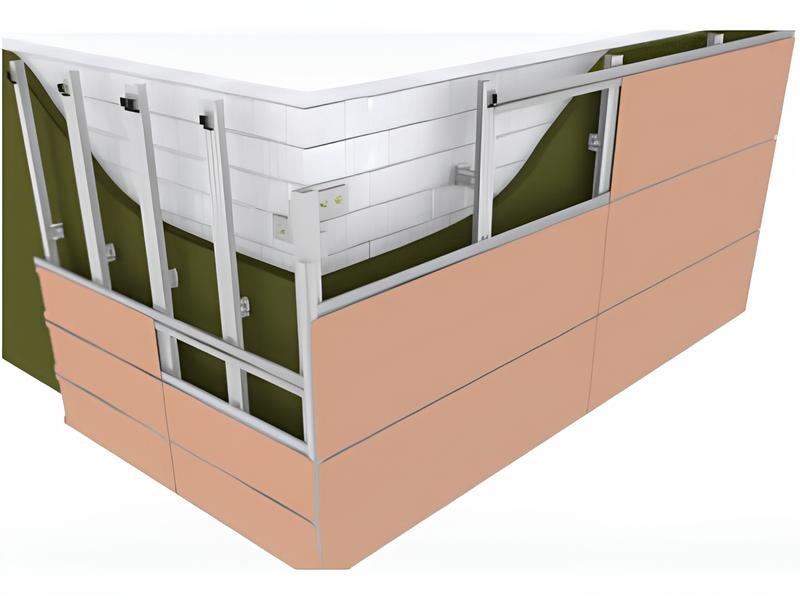
Sinterflex panels are large-format porcelain slabs with a thickness of 3–5 mm, produced by sintering at temperatures above 1000°C. This system stands out with its aesthetic appeal, lightweight structure, flexibility, and non-combustible properties. Mounted on aluminum or steel subframe systems, these panels can be used in both interior and exterior applications. Applicable through mechanical fixing or adhesive methods, Sinterflex systems represent the meeting point of high performance and elegant design, especially in modern architecture.
High-tech Sinterflex panels combine aesthetics and functionality in modern facade cladding
applications with their thin structure and flexible form.
Sinterflex panels, produced by sintering at temperatures above 1000°C, deliver superior performance even under demanding conditions thanks to their A1-class fire resistance and chemical durability. They are resistant to breakage and offer long-lasting performance against external factors.
With ventilated system applications, the air gap left between the wall and the panel prevents vapor transfer. This structure supports thermal insulation while enhancing energy efficiency.
With a low weight of approximately 7 kg/m², it does not place additional load on the supporting structure. Thanks to its ability to be bent to a radius of around 5 meters, it can be easily used even on curved surfaces.
Panels offered in various patterns and textures such as natural stone, marble, concrete, and wood give projects a unique appearance. With their large panel sizes, modern and seamless facade designs can be created.
BENEFITS OF THE SERVICE
You can request detailed information about our service using the contact form below.
 Türkçe
  Pусский
  Español
  Français
  العربية
  Job Application
  Phone
Phone  Whatsapp
  Email
Email